Dust storms, while a natural phenomenon in many regions, can leave behind more than just a dusty landscape. For businesses, these events often introduce a significant challenge to maintaining a healthy and efficient indoor environment. At Superior Heating and Air Conditioning, we understand the importance of pristine indoor air quality, especially after such disruptive weather. Knowing the signs that your commercial space needs an indoor air quality (IAQ) upgrade can save you time and money while protecting the well-being of your employees and customers.

Lingering Dust and Unpleasant Odors
One of the most immediate and obvious signs that your business needs an IAQ upgrade after a dust storm is the persistent presence of dust indoors. Despite regular cleaning, you might notice a fine layer of dust resettling quickly on surfaces, electronic equipment, and even inventory. This isn't just an aesthetic issue; it indicates that your HVAC system may be recirculating dust particles that weren't adequately filtered. Coupled with this, you might detect unusual or musty odors. Dust and debris can harbor mold spores or other airborne contaminants, leading to stale or unpleasant smells that signal compromised air quality and discomfort for those inside your building.
Decreased HVAC System Performance
A dust storm places a considerable strain on your heating and cooling system. If your HVAC system is struggling to maintain consistent temperatures, running more frequently, or producing less airflow, it’s a clear indicator that its performance has been impacted. Clogged air filters, dirty coils, and impaired ventilation due to accumulated dust can significantly reduce efficiency. This not only diminishes comfort but also leads to increased energy consumption and higher utility bills for your business. A professional commercial HVAC technician can assess the damage and recommend the necessary upgrades or repairs to restore optimal function and efficiency.
Health Complaints from Staff and Customers
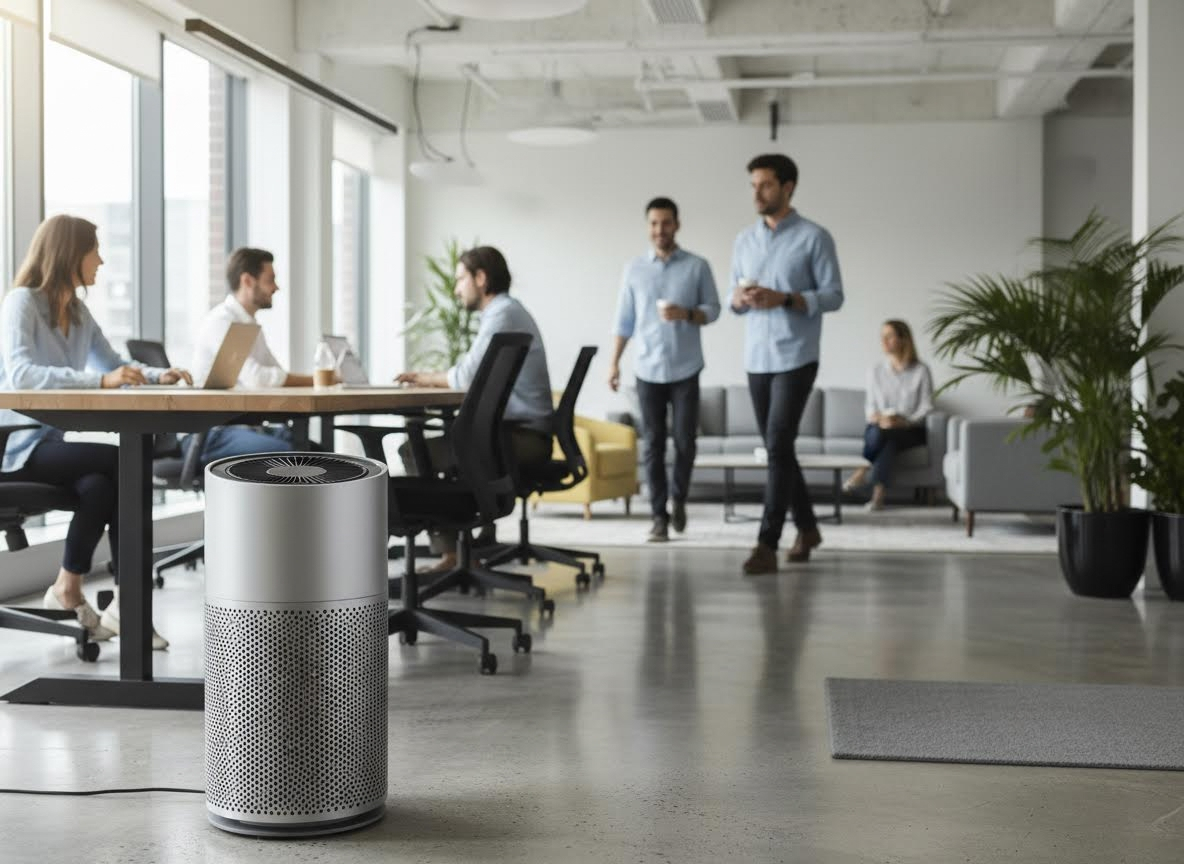
The health and comfort of your employees and customers are paramount. Following a dust storm, if you notice an increase in complaints about respiratory issues, allergies, headaches, or general discomfort, it's a strong sign that your indoor air quality has declined. Fine particulate matter from dust storms can exacerbate asthma, cause allergic reactions, and lead to eye and throat irritation. Providing a clean, healthy air environment is crucial for productivity and customer satisfaction. Addressing these health concerns promptly demonstrates your commitment to their well-being and helps maintain a positive atmosphere within your commercial space.
Visible Damage to HVAC Components
Sometimes, the impact of a dust storm is more severe than just clogged filters. High winds can carry larger debris that might damage exterior units or force larger quantities of dust into ductwork. Inspect your outdoor units for any visible dents or blockages. Inside, listen for unusual noises coming from your vents or air handling units, which could indicate debris interfering with fan operation or other internal components. Ignoring these signs can lead to costly breakdowns and premature system failure. A thorough inspection by a local HVAC contractor after a significant dust event can identify and mitigate potential damage, ensuring the longevity and reliability of your system.
After a dust storm, prioritizing the indoor air quality of your business is more than just good practice; it’s essential for operational efficiency, occupant health, and long-term savings. Ignoring the signs of compromised air quality can lead to increased energy costs, frequent repairs, and a less comfortable environment. For businesses in the Palm Desert area, investing in a robust IAQ solution ensures your commercial space remains a healthy and productive environment for everyone. Consider reaching out to Superior Heating and Air Conditioning to learn more about comprehensive indoor air quality assessments and upgrades tailored to your business needs.